Marine litter data
We collect data through robust litter surveys using GLÂN (Geospatial Litter Analysis) – our world‑leading methodology for monitoring and analysing litter trends.
These figures highlight litter commonly recorded on designated bathing water beaches in Wales last year.
For all the latest litter survey results, visit our litter data page.
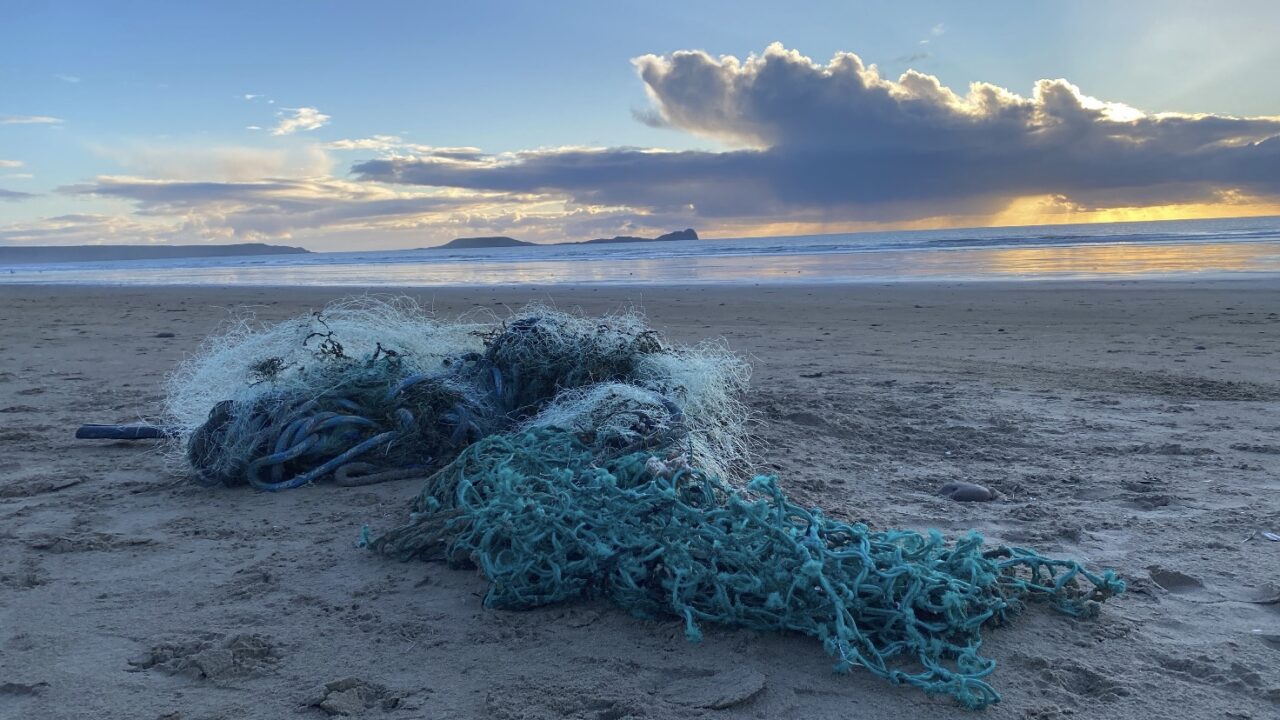
40.3%
litter on beaches was fishing gear
15.5%
litter on beaches was confectionery litter
5.3%
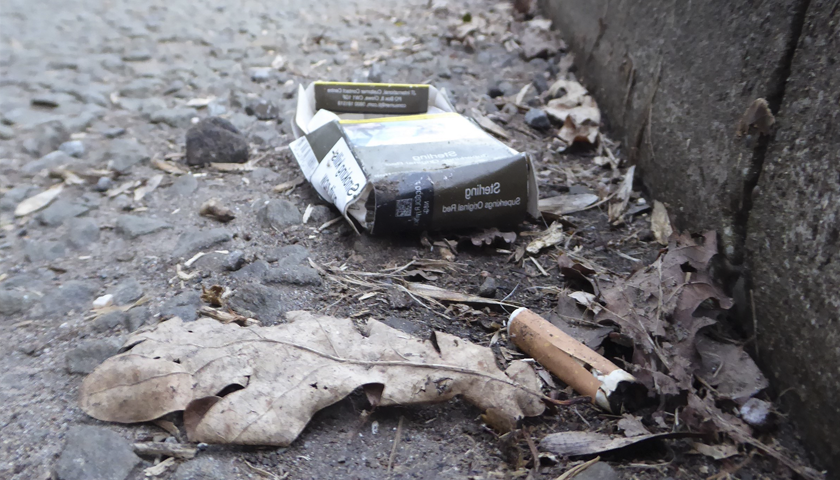
litter on beaches was cigarette butts
Understanding the issue
The true impact of marine litter is more alarming than most people realise – just look at these eye opening facts:
- Litter does not stay still in the environment. It travels via rain and wind, in drains and sewers, and down rivers and eventually, it reaches the sea.
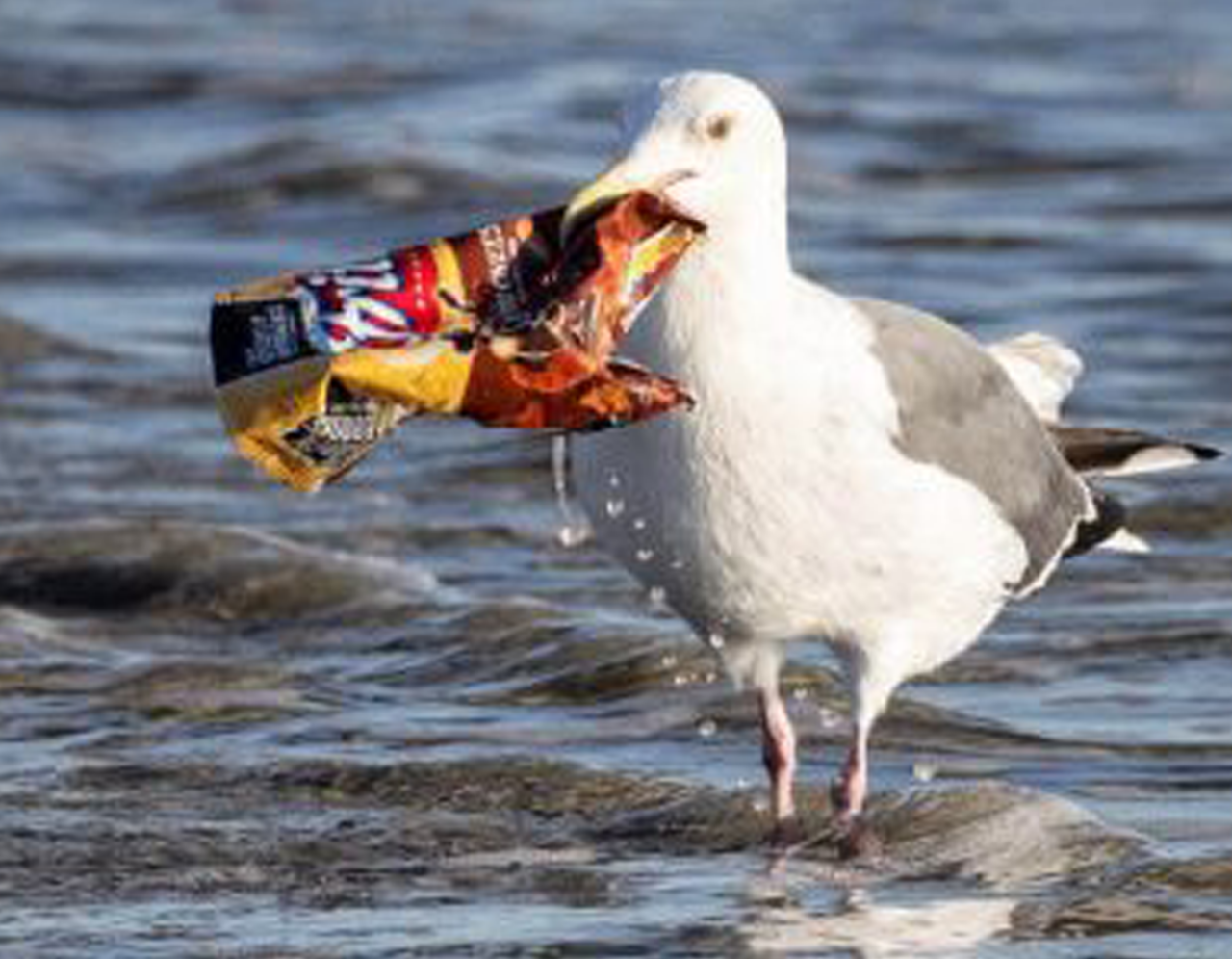
- Marine litter can cause injury or death to marine animals and seabirds through entanglement and ingestion.
- The economy is threatened as marine litter impacts tourism, coastal communities, fisheries and shipping operations.
- The presence of marine litter can have direct impacts on human physical and mental health.
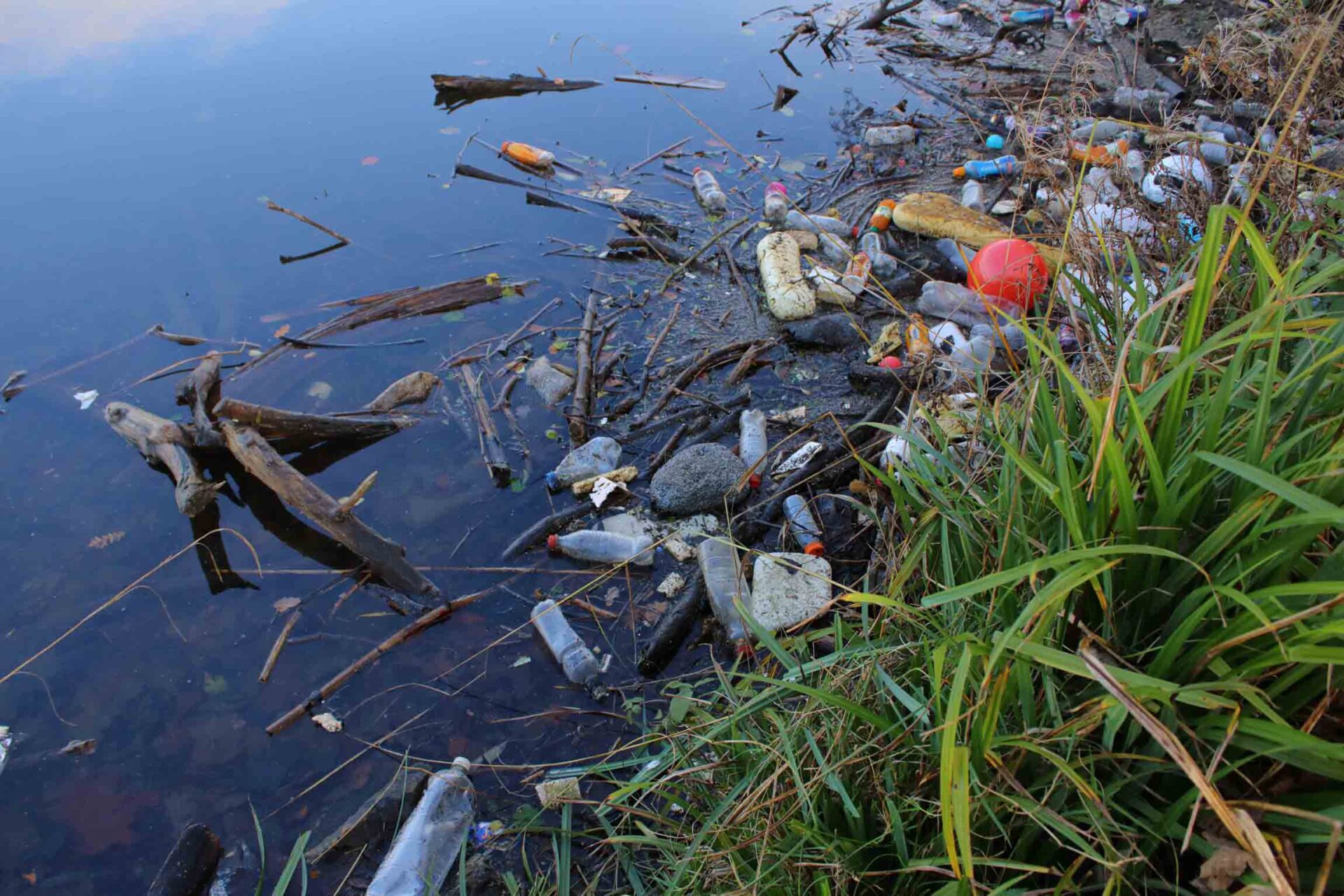
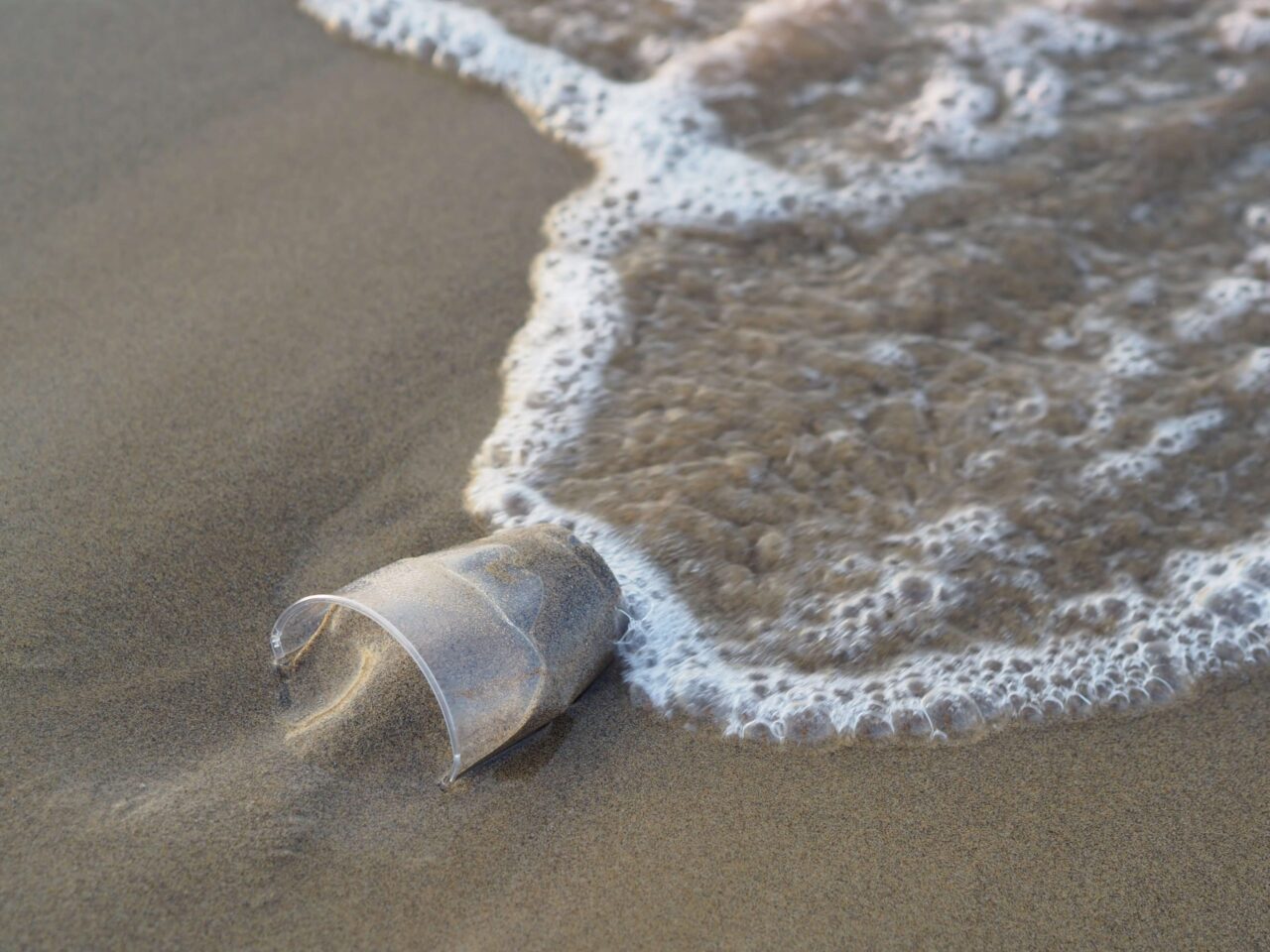
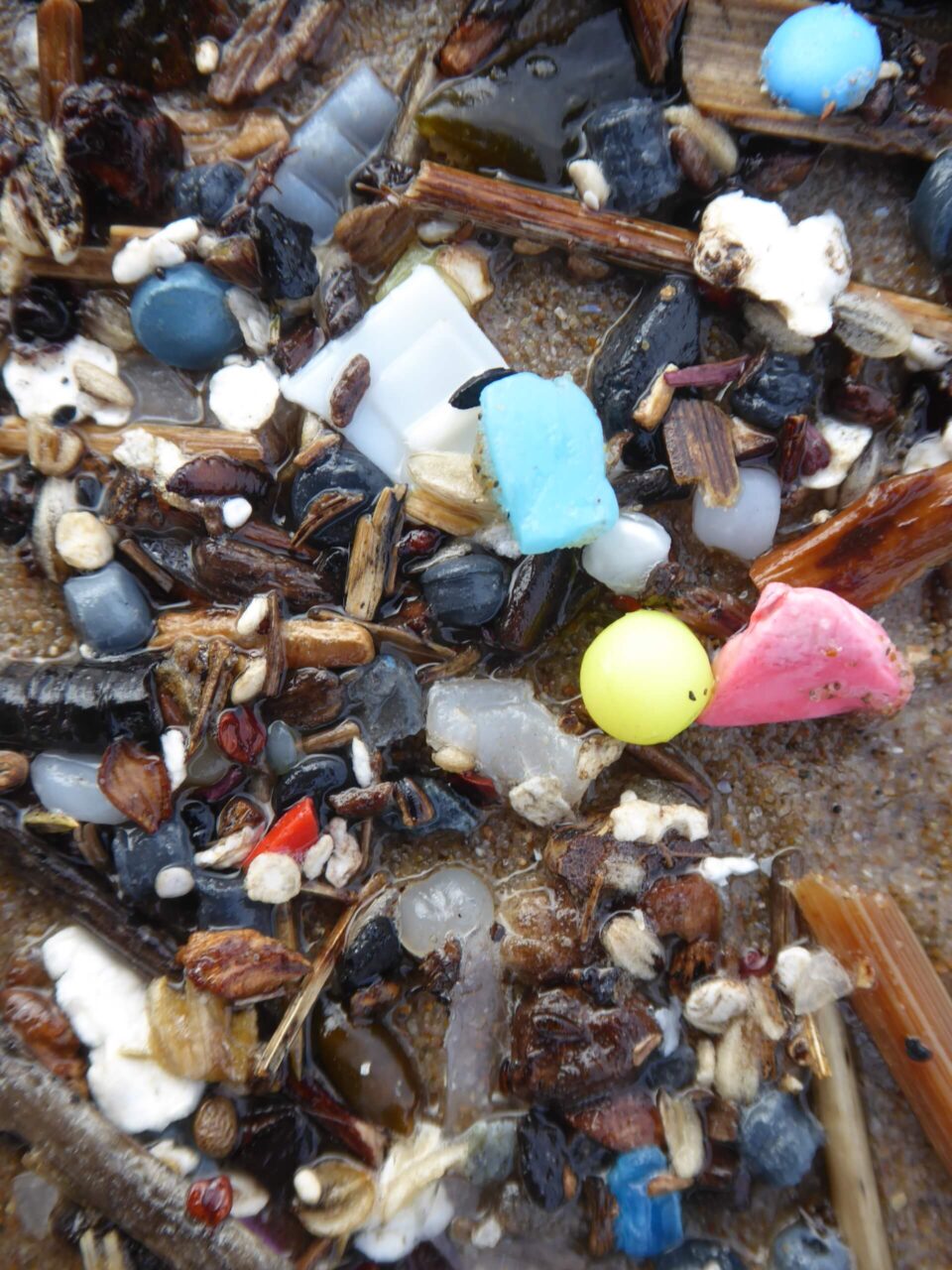
- Plastics are the most common type of marine litter. At current rates, it’s predicted that there could soon be more plastic than fish in the sea.

Tackling the issue
To address marine litter, we need to assess our litter and waste behaviours and understand the pathways of litter into our marine environments. Litter prevention needs to be at the heart of our efforts, by prioritising reduction, reuse and repair.
Keep Wales Tidy coordinates the coast awards in Wales and works extensively with our partners to ensure a clean, green and high-quality coastline and seaside.
We are also part of the Welsh Ocean Literacy Coalition – a group of organisations working to develop everyone’s understanding of their influence on the ocean and the oceans influence on us, through actions in Y Môr a Ni – the ocean literacy strategy for Wales.
Guidance and research

Explore other issues
Dog fouling
Discover
Roadside litter
Discover
Drinks litter
Discover
Plastic pollution
Discover
Air quality
Discover
Chewing gum
Discover
Drug litter
Discover
Enforcement
Discover
Fly-tipping
Discover
Litter from the air
Discover
Public infrastructure
Discover
Other environmental issues
Discover
Smoking and vape litter
Discover