Life Below Water for Secondary Schools
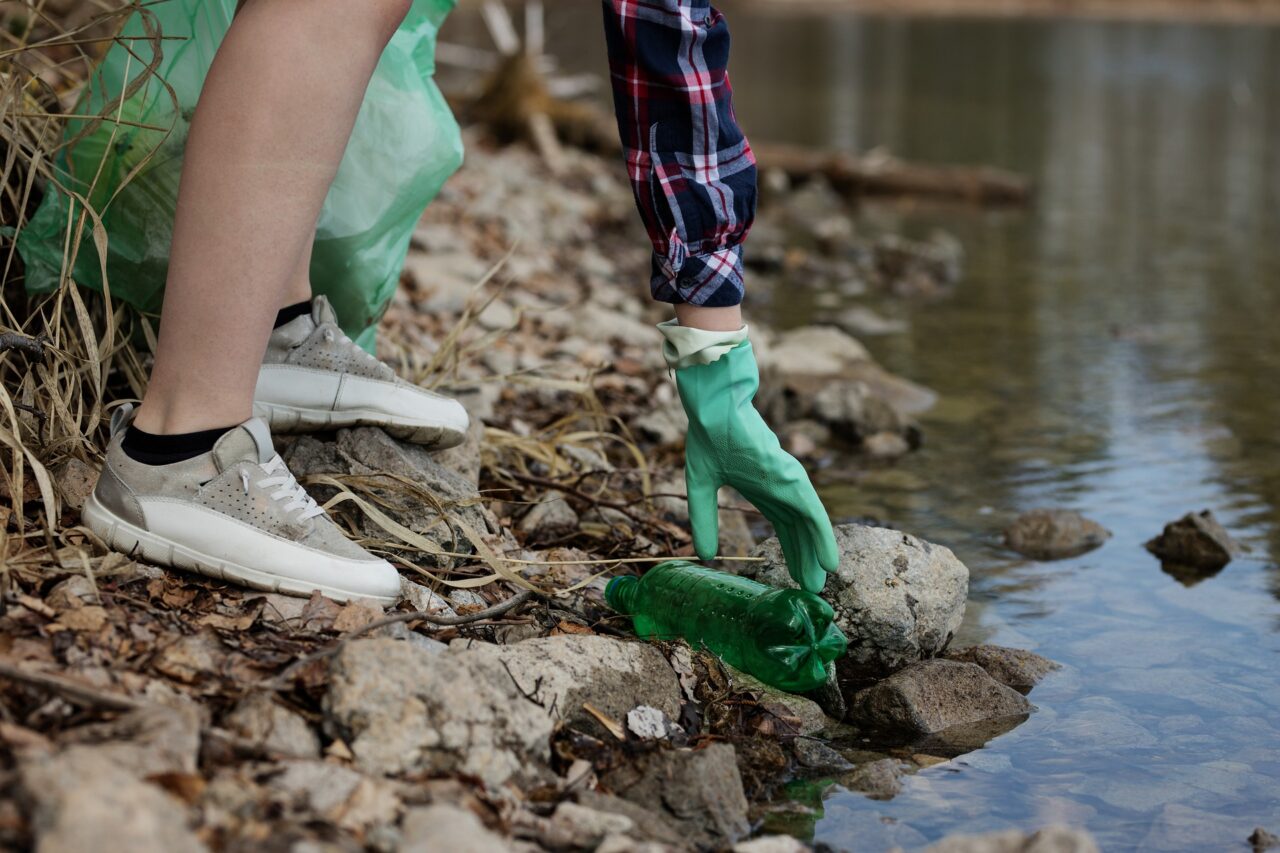
Welcome to #BeTheWave – a new education project designed to inform people about our incredible blue planet and inspire them to take action.
Our oceans face many dangers including pollution, habitat destruction, invasive species, a dramatic decrease in ocean fish stocks and global climate change.
We want to ensure teachers have all the tools they need to increase pupils’ understanding of these issues.
Working in partnership with the Marine Conservation Society, with support from Welsh Government, we’ve developed a whole host of secondary school resources to help teachers deliver workshops and educational sessions.
Below, you’ll find links to background information, lesson plans, awareness raising ideas and practical guidance for coordinating events and days of action.
Join us and be the wave of change our planet needs.
BeTheWave resources
The content of our resources is rooted in Wales, aiming to develop a strong sense of identity and understanding of local ocean issues. The resources also extend to a global view, strengthening students’ development as citizens of contemporary Wales and the world.
Each lesson plan will present teachers with detailed curriculum links and the resource itself will introduce the opportunity for schools to take an integrated thematic approach across the Areas of Learning and Experience, supporting students to make explicit links throughout the curriculum.
Download PowerPoint Presentations on HwbOcean Introduction
In this introduction, students will learn to recognise environmental concerns and develop proactive solutions to environmental issues whilst exploring how important the ocean is to life.
The biodiversity of species in our seas is extraordinary, from microscopic bacteria, algae and animals to giant whales. Learn the key terms, identify marine habitats and understand how species are connected.
Biodiversity lesson planBiodiversity background informationBiodiversity presentationBiodiversity food gameThe ocean is vital to our survival. From the air we breathe to the food we eat, use this lesson to explore the many crucial services our marine ecosystems provide us.
Ecosystem lesson planEcosystem background informationEcosystem presentationWe are taking too much out of the sea, and putting too much in. This lesson gives students an overview of the key threats to our ocean, and highlights ways that we can help recover the health of our ocean.
Threats to the Ocean lesson planThreats to the Ocean background informationThreats to the Ocean presentation
Ocean Issues
In this section, students will investigate ocean issues, focussing on marine pollution, climate change and sustainable fishing.
The lessons explore the threats that marine pollution can bring and invite students to investigate how pollution enters our waters and what actions people can make to prevent water pollution. These lessons will also guide students in discovering why a healthy ocean is so important in tackling climate change and supporting marine life.
Students will develop their understanding of the importance of acting sustainably and how they can make positive changes as an individual, a school, or a community.
How does litter enter our oceans? What are the main sources? Investigate the land and ocean-based activities that cause real problems and create solutions to make a positive difference.
Source To Sea lesson planSource To Sea background informationSource to Sea presentationWhat is marine litter? What is it made from and how long does it last? Investigate litter in your community and develop some social media posts to raise awareness.
Marine Litter lesson planMarine Litter background informationMarine Litter presentationMore than 8 million tonnes of plastic enter the oceans every year. Think about everyday use of plastic and how it can become an issue for our oceans, especially the impact on our marine wildlife.
Plastic Pollution lesson planPlastic Pollution background informationPlastic Pollution presentationMicrofibres are plastic threads less than 5mm in length. Research the source of these microfibres and their impact on the environment.
Microfibres lesson planMicrofibres background informationMicrofibres presentationWhat is flushed down the toilet or washed down the drain can have a serious, negative impact on our rivers and seas. Discover how this happens and come up with actions to Stop The Block!
Stop The Block lesson planStop The Block background informationStop The Block presentationFashion has an impact on the environment. Investigate how chemical pollution has been caused in the past and present and the impact it has on the environment and health. Find out what actions you can take to make a difference.
Invisible Pollution lesson planInvisible Pollution research packIn this lesson we ask How is climate change affecting the ocean? How is the ocean helping to reduce climate change? And what can we do to both reduce climate change and protect the ocean?
Climate Change lesson planClimate Change background informationClimate Change presentationOur ocean provides livelihoods and food for millions of people. To ensure this can continue into the future, we need to make sure our fishing practices are sustainable and non-destructive.
Sustainable Fishing lesson planSustainable Fishing background informationSustainable Fishing presentation
Taking action in your school
Having discovered our #BeTheWave ideas in each lesson plan, this section presents useful guidelines and ideas to assist pupils in raising greater awareness from their own schools, in their community and through social media.
Schools can play a huge part to #BeTheWave of change needed to protect our ocean. Think about developing a Day of Action and investigate local and national environmental groups and initiatives that can help.
Taking actionFind some top tips to help you create a #BeTheWave campaign. Find ideas such as who to involve and how to communicate your messaging. Read about successful campaigns to gain inspiration.
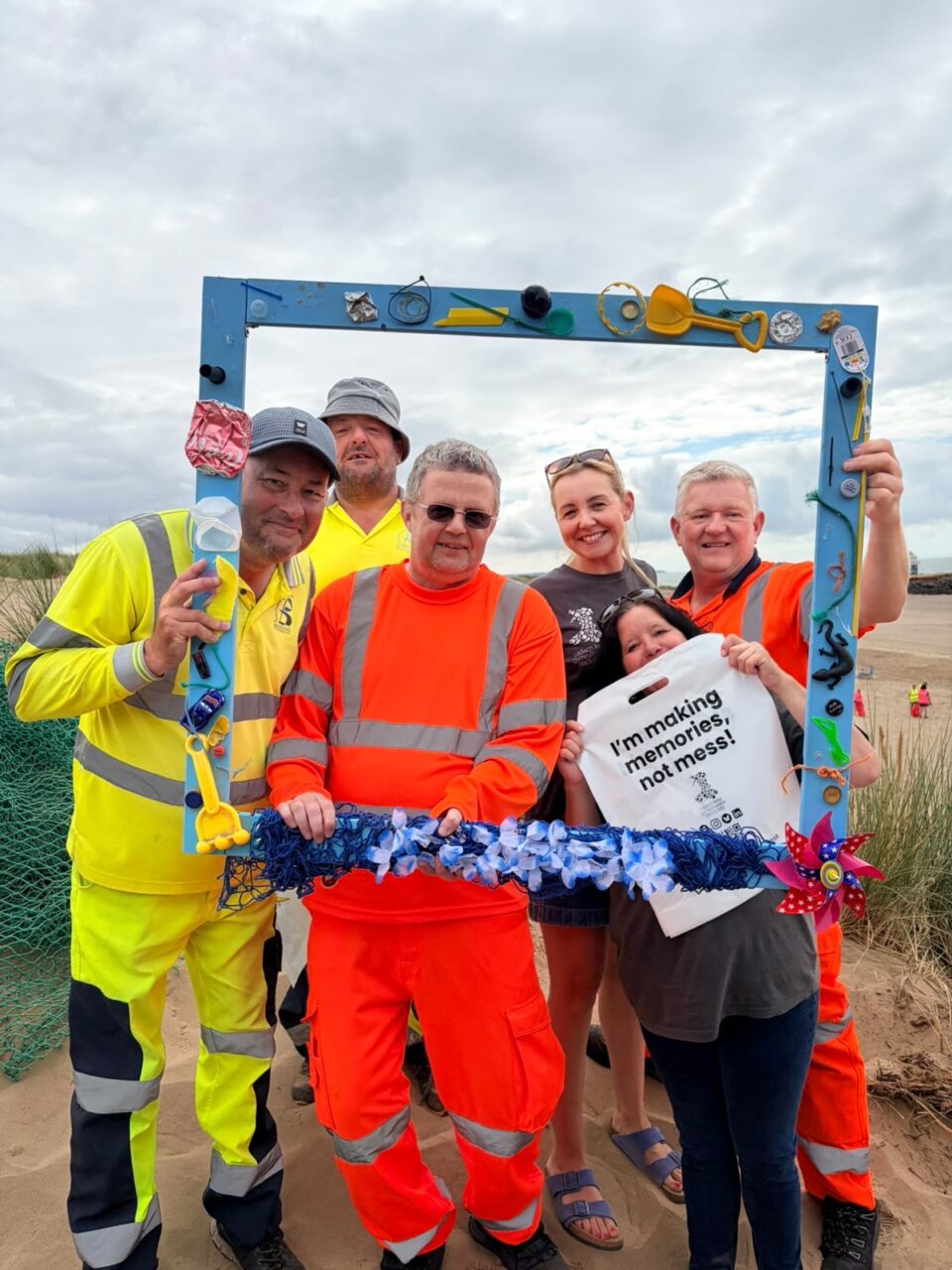
Campaigning and behaviour changeRemember – Every piece of rubbish collected means less waste ends up in the ocean. Investigate how to organise a successful clean up and organisations that can help.
Organise a clean upUnderstand what a circular economy means and the choices we have to extend the life of the products we use. Can we choose more sustainable alternatives?
Circular Economy lesson planCircular Economy background information
Our education programmes
Did you know nearly half a million young people are involved in our education programmes?
Our education team are here to support schools and colleges at every step of their eco-journey, providing expert guidance, resources, and training.
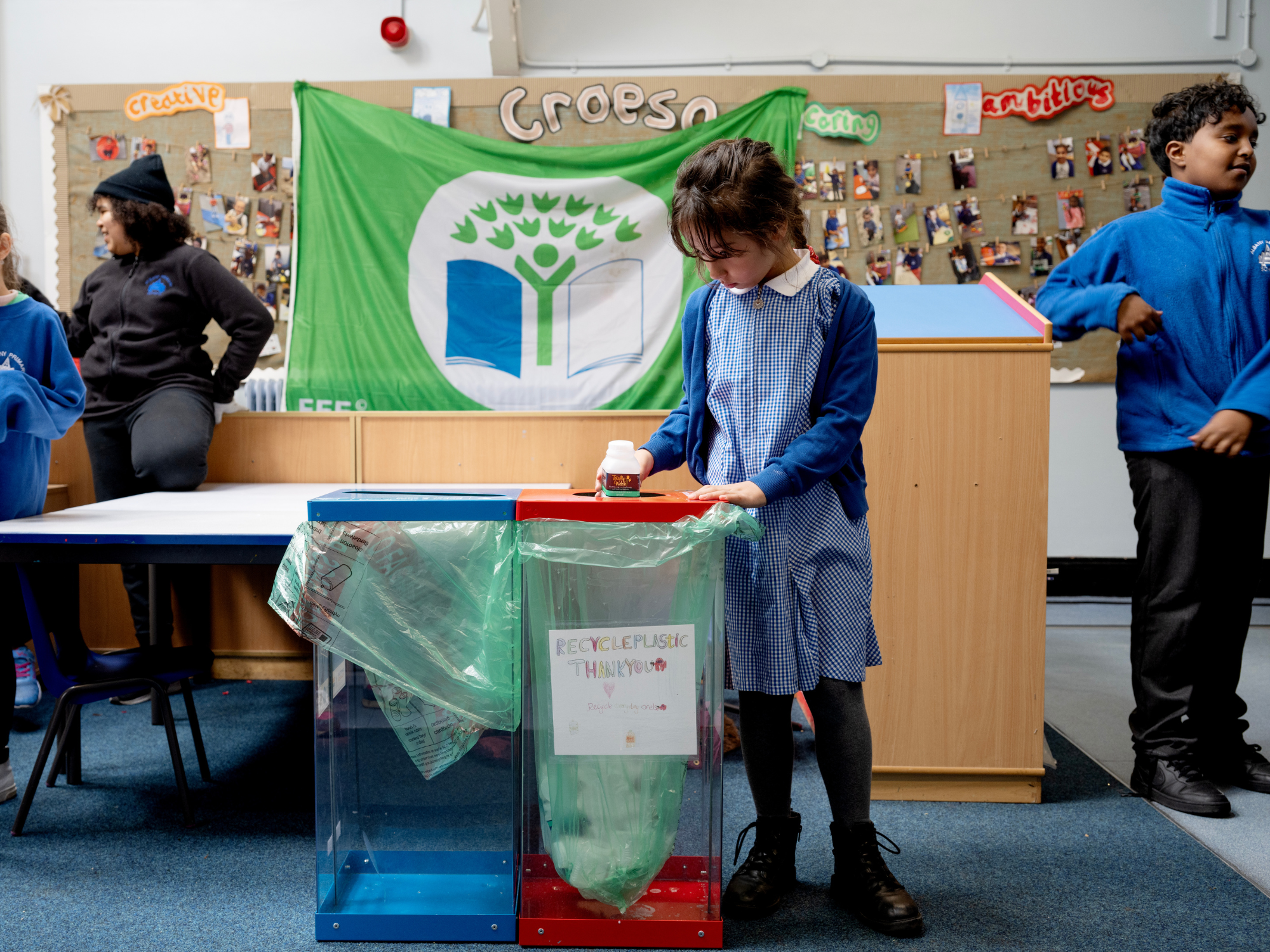
A great way to start investigating and continually improve the school environment is to make sure your school is an Eco-School.
Learn More
This school innovation challenge invites learners aged 5–18 to showcase ideas for a better planet.
Read more