How does it work?
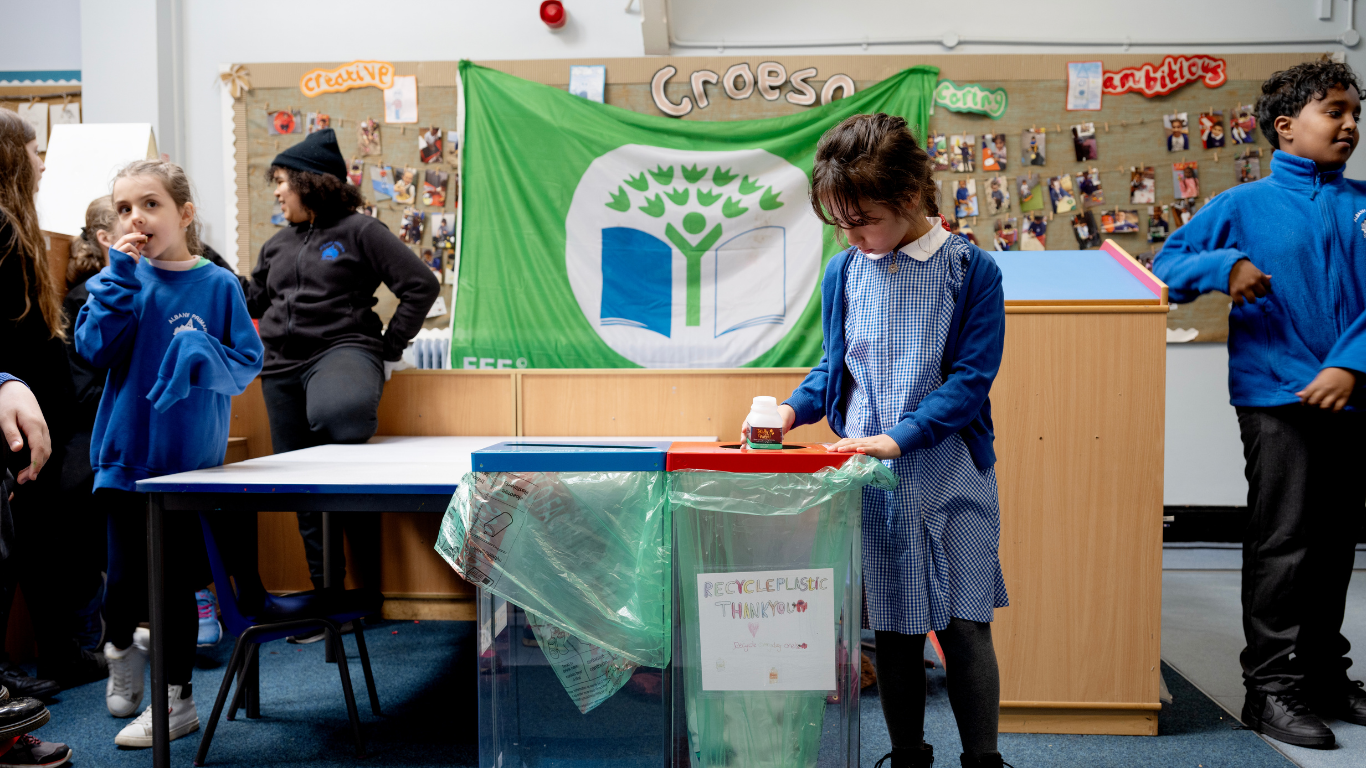
All our Eco-Schools work through seven steps. Once a school has put this process in place and collected evidence of their progress, they can apply for an Eco-Schools Award – an internationally recognised accreditation.
Find out more on how it works.
Forming an Eco-Committee
Your Eco-Committee will represent the views of the whole school, and act as the focus to push forward actions and discuss progress.
Carrying out an environmental review
The purpose of the review is to help the Eco-Committee come up with ideas as to how the school can reduce its impact on the environment.
Developing an action plan
Through the process of creating the plan you will be able to make sure that you include a realistic number of activities, and also work out how you will monitor and measure the progress of your actions.
Monitoring and evaluation
Why Monitor and Evaluate? To find out if you are achieving the targets in your action plan you must monitor and measure your progress.
Informing and involving
It is important to ensure as many people as possible know about and are involved in your activities.
Producing an Eco-Code
The Eco-Code is a fun way of capturing the main objectives of the Eco-Schools Committee. It should be presented in a format that’s meaningful to pupils and the school community.
Linking to the curriculum
By ensuring that the Eco-Schools process links into the school’s curriculum, rather than being a separate activity for the small group on the Eco-Committee, ESDGC is delivered.
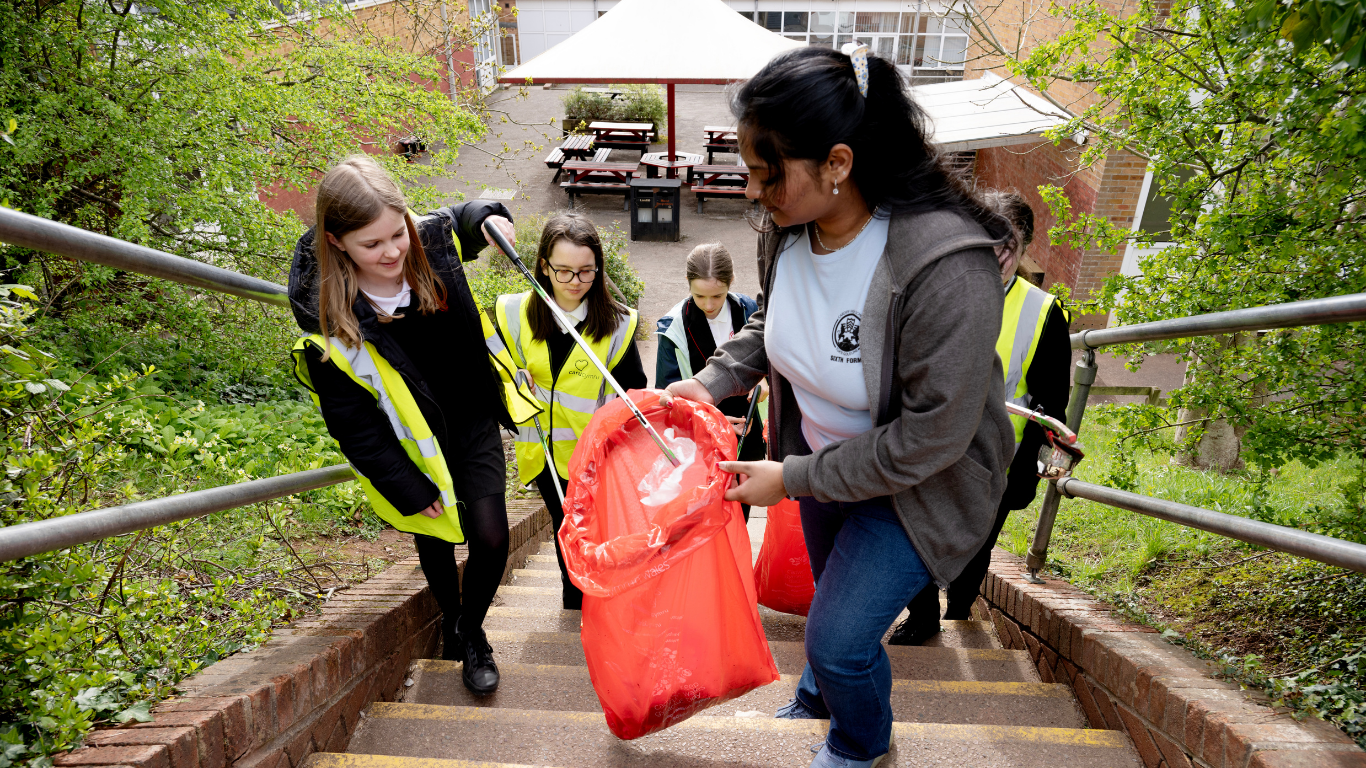
Seven steps to success
Find out more information on the seven seven steps to success.
How it worksBe inspired
Check out our latest changemaker stories – showcasing the inspiring campaigns and projects being led by learners in Eco-Schools across Wales.
The Pantry Food Service
Read More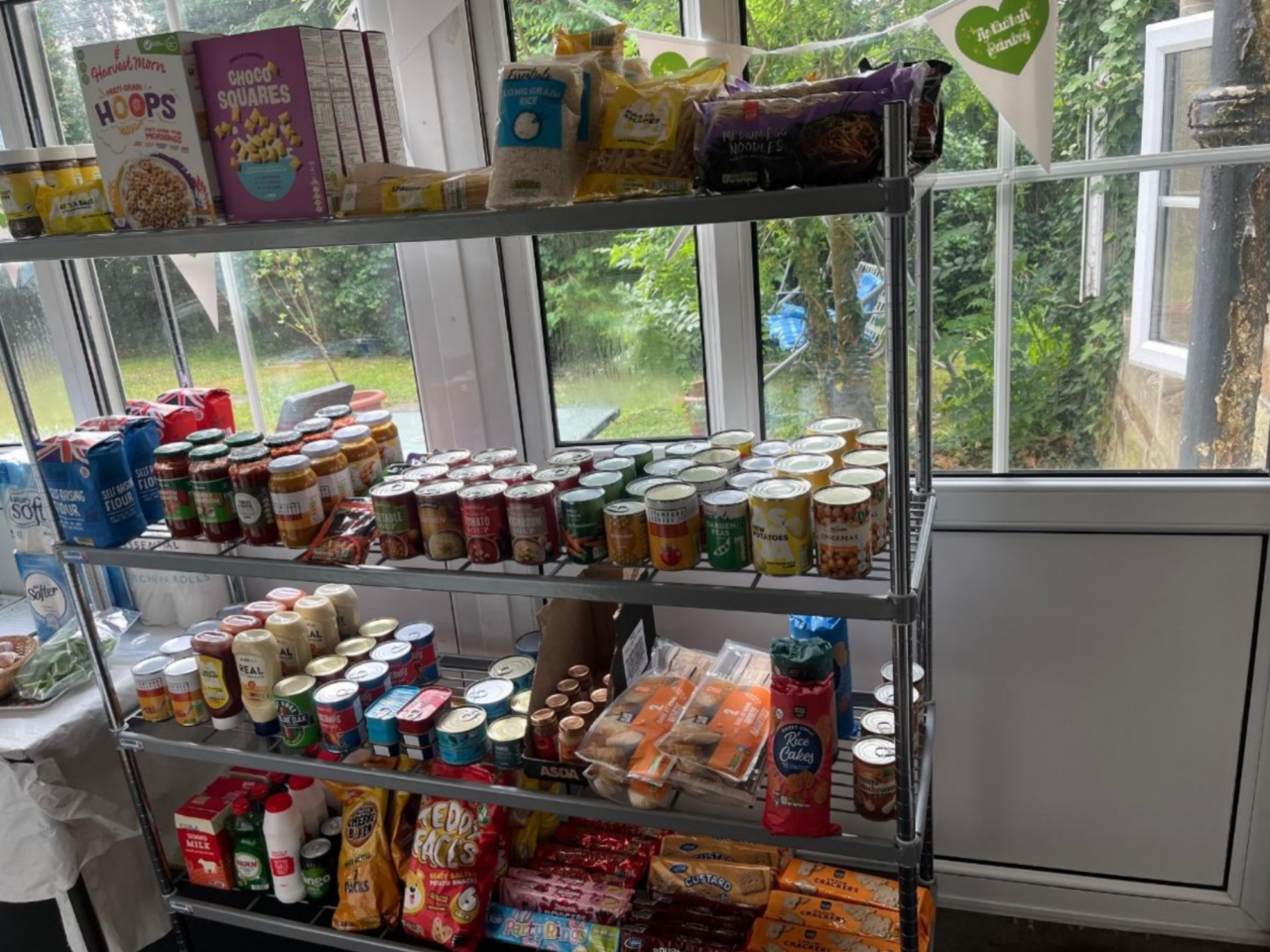
A Meadow Made by Learners
Read More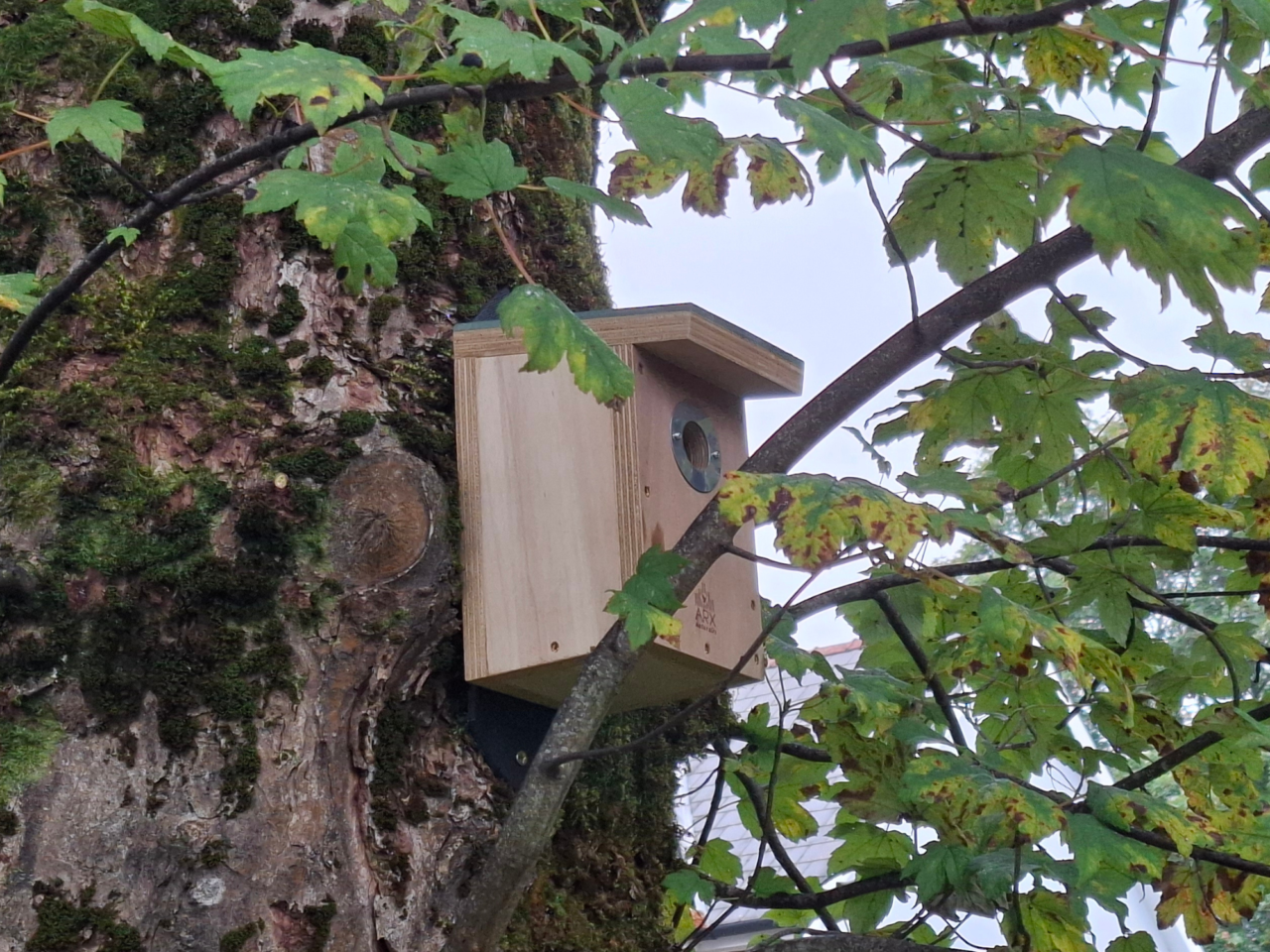
Active Travel at Ty’n y Wern
Read More
Resources
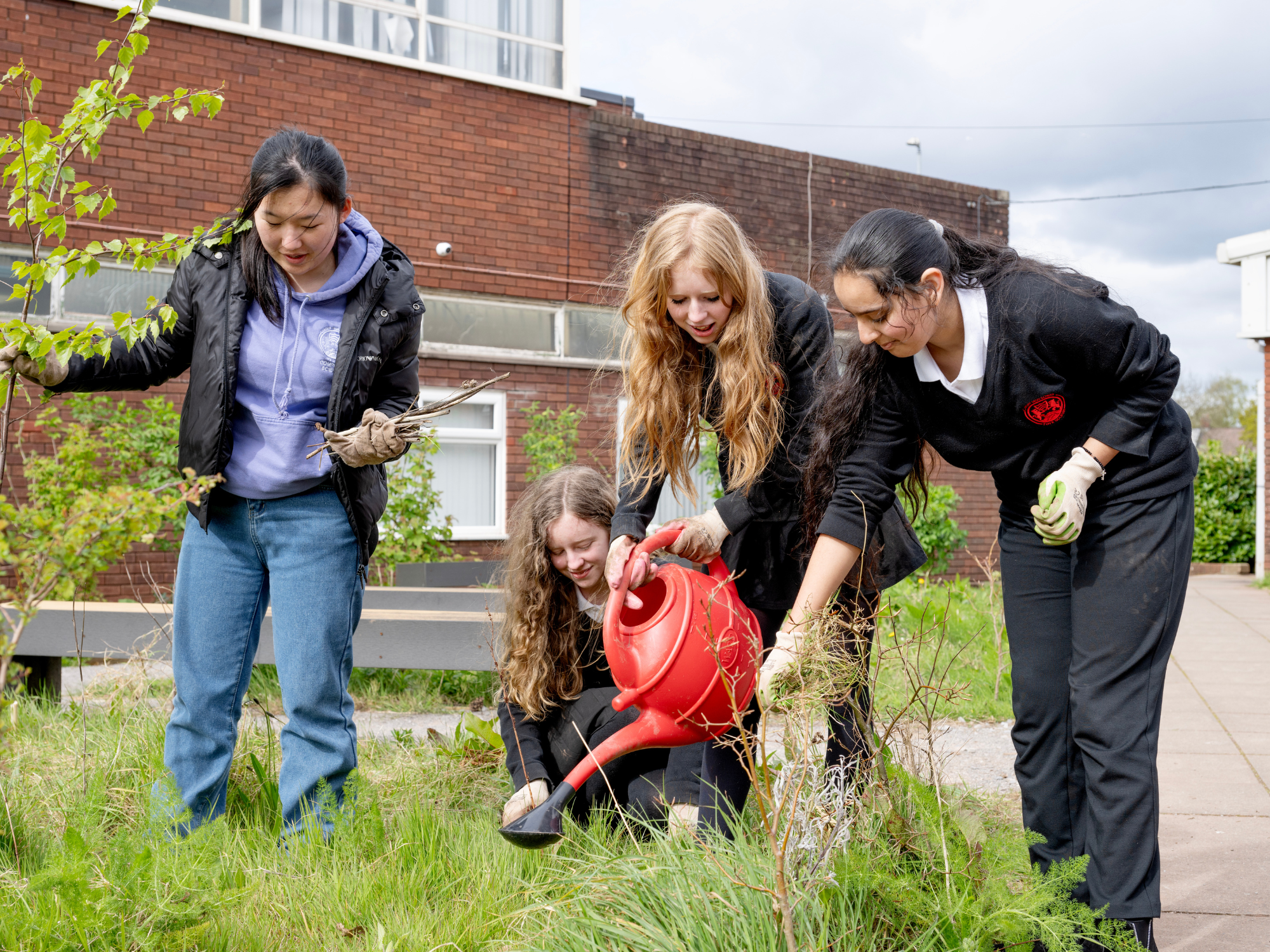
We want to inspire and empower young people to drive positive environmental change.
Our free resources have been designed by our specialist education team for primary schools, secondary schools and families.
View our resourcesGet involved
Take part in a campaign, join a live lesson, and catch up on recent training. One of the great things about Eco-Schools is there’s always room to develop. We offer a programme of free training sessions and live lessons to help you do just that.
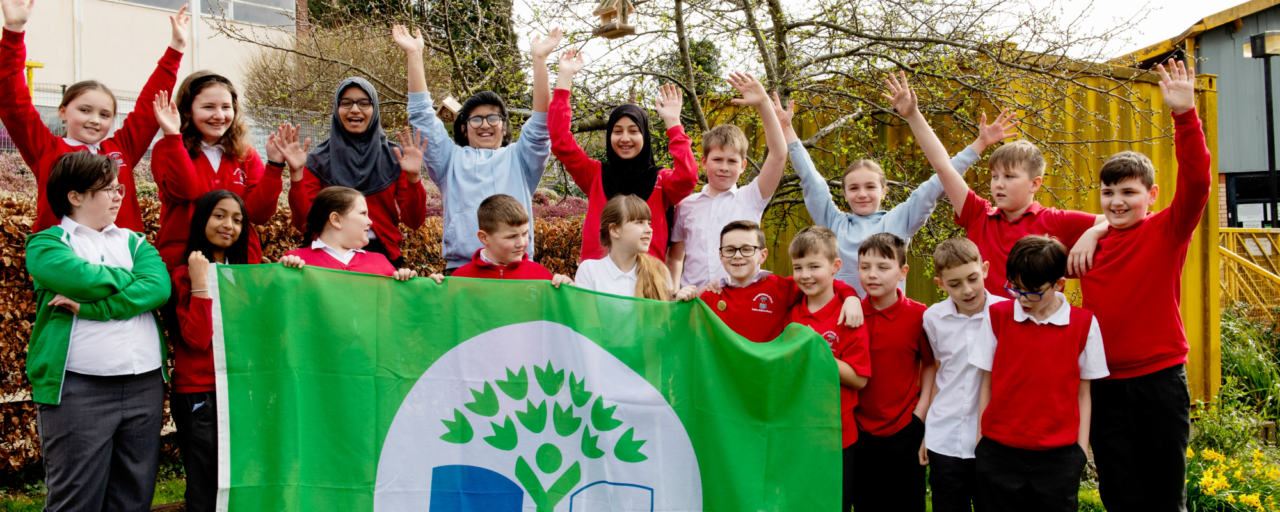


Find out how schools in your area are doing on the Eco-Schools programme.
Find out more
This school innovation challenge invites learners aged 5–18 to showcase ideas for a better planet.
Find out more